Before I attempt to provide an apologetic or explanation/defense of my understanding of the Christian faith, it is important to lay some groundwork by sharing several of my foundational convictions.
- Religion will never be proven empirically. It is based on faith. I will not be able to provide physical evidence for the existence of God.
- Christianity makes sense to me on many levels and has helped me understand the world around me.
- Many people do not spend time developing their relationship with Christ. As a result, there are numerous misconceptions about Christianity and what the Bible teaches.
- While humanity’s understanding of God has changed over time, God has not changed.
- A literal or strict interpretation of the Bible is not mandatory for salvation.
Many contentions against a belief in God center around something along the lines of -“Why do bad things happen to good people?”
I. Freedom of Choice and Our Detachment from God
We were made in the image of God (Genesis). As such, we were created with free will—the freedom to make choices. We are also free to experience the rewards or consequences of those choices.
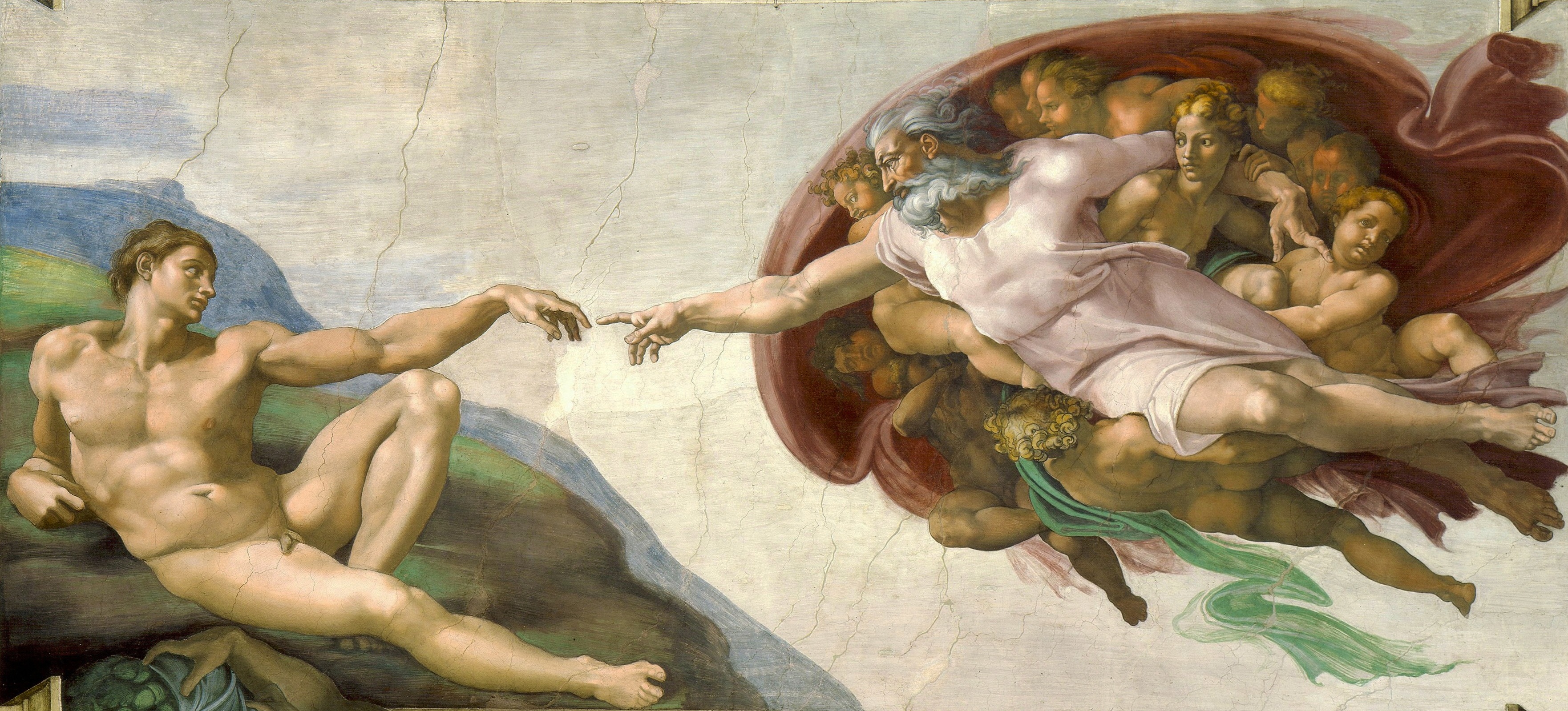
When Adam and Eve chose to disobey God by eating the forbidden fruit, the consequence was that humanity became separated from God until His kingdom would ultimately be restored. We are now living in this detached, sinful world.
Because we live in a world separated from God, there are negative consequences resulting from human choices. Additionally, this separation includes disease, sickness, genetic imperfections, and other forms of brokenness. As Psalm 51:5 teaches, we are born into sin, meaning we are born into an imperfect body in an imperfect and fallen world.
Question for further thought:
Would it be better to be created as pre-programmed beings who automatically live according to God’s will, or is it better to be created with freedom of choice?
II. God’s Will Does Not Always Occur in Our World
The Bible clearly teaches that God’s will is not always carried out in human affairs because of human freedom. God did not desire for Adam and Eve to disobey Him, yet their freedom allowed them to do so. God did not want Cain to kill Abel, yet Cain, living in a sinful and fallen world, succumbed to jealousy.
Both the Old and New Testaments contain many events that reflect actions contrary to God’s desire. A few examples for further study include:
- Cain and Abel (Genesis 4)
- The story of Tamar (2 Samuel 13:1–29)
- The Book of Job
- The Book of Ecclesiastes
- The Slaughter of the Innocents (Matthew 2:13–23)
Jesus teaches us how to pray in the Lord’s Prayer (Matthew 6:9–13, NIV):
“Our Father in heaven, hallowed be your name,
your kingdom come, your will be done,
on earth as it is in heaven.
Give us today our daily bread.
And forgive us our debts, as we also have forgiven our debtors.
And lead us not into temptation, but deliver us from the evil one.”
Jesus instructs us to pray for God’s will to be done on earth precisely because it is not automatically carried out in our daily lives. We are called to pray that His will would prevail.
Official doctrine from the Lutheran Church—Missouri Synod (LCMS) supports this concept when discussing the petition concerning God’s will. It acknowledges the paradox that although God is almighty, He does not “get His way” in all things within this present world, even though His good and gracious will is ultimately accomplished. The third petition recognizes that there are forces contrary to God’s will. Scripture teaches that the evil one exerts a will of his own, and humanity’s fallen will often participates in that rebellion.
This leads to my next point.
III. The Prince of This World Is Not Our Lord Jesus
In our world, there exists a powerful force that runs counter to the will of God. Call this force Satan, the devil, or the demonic—while such language may sound cartoonish to some, the presence of evil in our world is real and influential.
Christians believe that God’s will, justice, and love will ultimately prevail. However, in our present age, this world operates under another influence. Jesus teaches that we are called not to be “of this world,” even though we live in it.
Several passages support this understanding:
- Ephesians 2:1–3; 6:12
- John 12:31; 14:30; 17:14
- 2 Corinthians 4:4
- 1 John 5:19
To be continued….
 creno7